 By admin
Technology has greatly improved global communication, adaptation, and medical care, which is essentially beneficial for your overall health. Devices such as Apple watches and Fitbits have revolutionized how people measure their sleep and exercise levels.
Companies such as Nike have workout programs using virtual reality heads-up, while apps such as Headspace provide guided meditation in demand. Such advances have resulted in improved physical and mental wellness through enabling us to monitor our health and get connected to others.
It might be hard to see how technology will affect our health in a positive way, but it can have a huge impact on us, our families, and the whole world. Learn more about how has the development of technology positively affected our wellness in this blog post.
- The Various Ways That Technology Has Transformed Our Health
- Diagnosis
- Longer Living
- Convenience
- Using Digital Devices to Experience Things
- Maintaining Contact
- Mental Wellness
- Technology Improvements in Hospitals
- Self-Tracking
- Easy to Communicate
- Easier Access to Health Information
- Advertising Prospects for the Business and Social Networking
- Emerging Growth and Real-World Opportunities
- Health Benefits of Playing Video Games
- Conclusion
- Frequently Asked Questions (FAQs)
The Various Ways That Technology Has Transformed Our Health
There are even more instances in which Information technology has contributed to the improvement of health. It is also most probable that with the development of technology, more ways will surface—many of which are popular technology topics for presentations in schools and conferences today.
Diagnosis
One of the most meaningful ways technology has improved wellness is by helping folks detect health issues early. Mobile health apps, online symptom checkers, and smart devices alert users when something feels off long before it becomes serious. Many people now monitor:
- Blood pressure
- Itching pattern (with a special patch that can be applied to the skin)
- Heart rhythm
- Oxygen levels
At home, reducing dependency on emergency care.
This early awareness leads to precise and early lifestyle adjustments and medical consultations. As a result, technology does not just treat illness; it actively reduces risk. This preventive approach clearly shows how the development of technology positively affected our wellness by promoting long-term health rather than short-term solutions.
Longer Living

Many people argue that tech has done us good by making our food healthier. Thanks to the development of technology, there are more ways to grow healthy food for people around the world.
In addition, there are better ways of obtaining nutrients, including supplements and foods that have been enriched to include them. Nowadays, people tend to live longer and healthier than ever.
Convenience

The development in technology has enabled us to enjoy better health in many ways, but almost certainly because our living is made easier. With one click of the button, we can order our preferred healthy food, have it delivered right to our door, and even monitor its movement to know when it will get to where we are. Using the apps shows that we can plan, and track our fitness goals as well as do other things.
Using Digital Devices to Experience Things
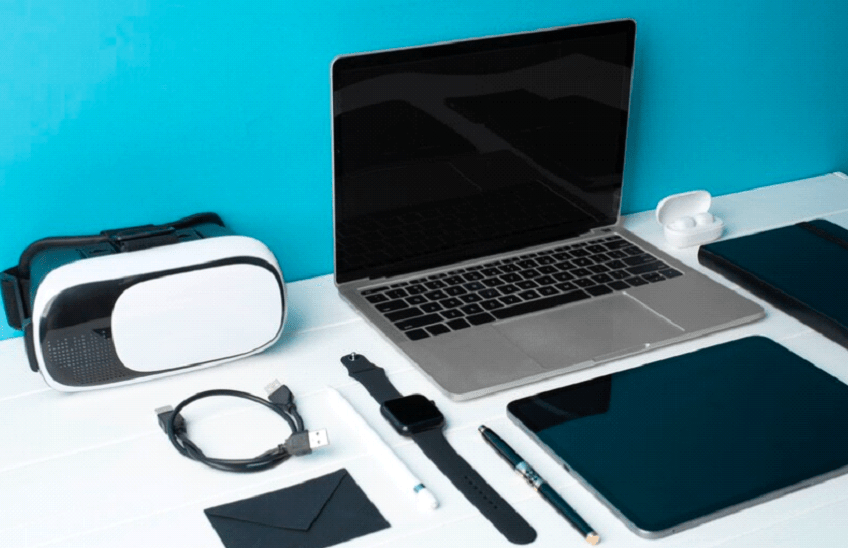
We can experience things through digital technology in a feasible way. We decide when and how to watch content, and we can do it at home. It’s better for our social health that we have more control over our free time and how we spend it.
Everything on digital devices is good for the environment because technology has made the world greener and less reliant on paper.
Maintaining Contact

Mobile contact is one of the great technological advantages that we have today. Those far away from us can now video chat with our family members, and we can also keep in touch with them through social media.
Now, it’s easy for us to reach those people whom we rarely see as often as we would like. This is good for our mental health.
Mental Wellness
This support is no longer limited to physical clinics. Nowadays, mental support is more accessible than ever. Several apps, course platforms, and tools allow people to manage anxiety and emotional pressure without publicizing their identity. This secrecy and private support allow people to share their problems way more confidently than in physical therapy.
Folks who hesitate to seek in-person help can use digital mental health resources as a safe starting point. This accessibility reduces fear and encourages healthier coping habits. It further explains how the development of technology positively affected our wellness by supporting emotional balance alongside physical health.
Technology Improvements in Hospitals

Medicine has been greatly transformed through technology. Technology has revolutionized the different aspects of healthcare, nursing, diagnosis, and saving lives. High-level care has been made possible in hospitals never seen before.
An example is that today, doctors can, for instance, apply imaging methods such as MRI and CT scans to obtain clear images of the body. This can be done. There are even a few life-saving technologies and treatments found in hospitals, such as heart-lung machines and defibrillators.
In addition, patients can easily access their health records, make bookings, and get laboratory results online now because of innovations. Likewise, artificial intelligence is being improved. It is the diagnostic instrument of hospitals, starting from evaluation until treatment. This implies that now, patients can have a bigger say in how they manage their health.
Self-Tracking

One benefit that technology has towards the health of people is lifestyle changes. There are so many self-tracking apps and gadgets that one can see everything, from steps taken to calories burnt. Hence, since they are more aware of how much exercise they get during the day, teens and young adults can make a big transformational change to better their mental health.
Easy to Communicate

It has become easier to reach out to family, friends, and even your AI girlfriend, courtesy of technology. Now we can dial anywhere in the world and talk to our relatives and friends using our mobile phones. We can video call them, and can see their faces, and could have a nice chat even when we are not all together. We have felt emotional relief from it.
Easier Access to Health Information
Not long ago, most people did not actively look up health information. You went to a doctor, asked a family member, or ignored the issue. Now, the first reaction is usually to search and read a little. People do this out of habit, not planning.
Some look up symptoms. Others try to understand food choices or sleep problems. Over time, many start recognizing what helps and what does not. It does not make everyone an expert, but it does make people more aware. Small changes often begin there, without much effort.
Having this kind of access does not replace doctors. It simply gives people a better starting point. Feeling informed reduces uncertainty, and that alone can ease stress. In everyday life, this quiet access to information has become part of how people take care of themselves.
Advertising Prospects for the Business and Social Networking

Before social media, the word networking meant actually mingling and exchanging business cards. Nowadays, networking can easily be done from home. Reaching out to those who have the same interests as you do will help you find a few business prospects.
It’s convenient that through social media, we are also less stressed in life by maintaining touch with family and friends.
Emerging Growth and Real-World Opportunities
People talk about wellness far more today than they did a few years ago. Health is no longer something many wait to fix later. Technology played a role in that shift, though it happened gradually. Tools like fitness apps and online consultations spread because people kept using them, not because they were trendy. Someone who cannot visit a gym can now follow a routine at home. A patient who once waited weeks can now talk to a doctor online.
This growth has also created work. Trainers, therapists, nutrition advisors, and developers are earning through digital platforms. Many of them work independently. They reach people they would never meet in person. For users, this means more options and less pressure. Wellness support feels easier to access and easier to continue. That is one clear way the development of technology has positively affected our wellness.
Health Benefits of Playing Video Games

Here are some of the health benefits of playing video games:
⦁ Improved cognitive skills (memory, problem-solving, etc.).
⦁ Better hand-eye coordination and reflexes.
⦁ Stress levels decrease, and moods boost.
⦁ Multiplayer games, social interaction, and teamwork.
⦁ Phenomena associated with escape from pain are particularly evident in full virtual reality games.
⦁ Visual improvement and contrast sensitivity.
⦁ Educational games are facilitators of learning enhancement.
⦁ Methods of coping with anxiety, depression, and other mental health issues.
⦁ Potential brain aging and cognitive dysfunction slowdown in older people.
Conclusion
Technologies have changed our lives for the better. It was now instant, and various subjects, including video game writing, were accessible. Technology has improved societal ties, business opportunities, medical equipment, and communication devices.
Technology has already had a substantial positive impact on mental health and nutrition. No doubt, technology will advance brighter innovations in areas like mental health and nutrition. Technologically speaking, our lives have been greatly influenced and enhanced for the better.
Frequently Asked Questions (FAQs)
Q1: How has Technology Bettered Access to Healthcare Services?
Technology has enhanced access to healthcare by enabling telemedicine, online consultations, and digital health records. These advancements allow people to admit medical advice and treatment from the comfort of their homes, especially in remote areas.
Q2: What Part Does Technology Play in Internal Health Mindfulness?
Technology promotes internal health mindfulness through mobile apps, online remedy platforms, and coffers that give tone- help tools. These tools empower individualities to cover and manage their internal well- being effectively.
Q3: How do Wearable Bias Contribute to Particular Heartiness?
Wearable bias like fitness trackers and smartwatches help individualities track vital health criteria , including heart rate, sleep patterns, and physical exertion. These perceptivity encourage healthier life choices.
Q4: In What Ways has Technology Enhanced Fitness and Exercise Routines?
Fitness apps, virtual coaches, and online drill programs give substantiated guidance and provocation. Technology enables druggies to set pretensions, cover progress, and access a variety of exercise routines acclimatized to their requirements.
Q5: Can Technology Help in Managing Habitual Ails?
Yes, technology offers tools like mobile apps for drug monuments, bias to cover conditions similar as diabetes, and platforms to connect cases with specialists. These inventions make managing habitual ails more effective and less stressful.